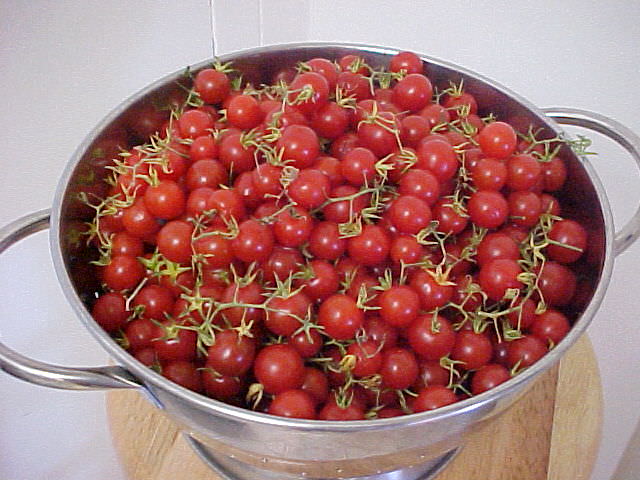
| In 1983 we got really wild and bought 50 acres in LaBelle, Florida, to grow organic tomatoes ...peppers, okra, cucumbers, oranges, melons too, but mostly, the goal was tomatoes
Zones 9 and 10 have opposite seasons as "up north." Here, we can plant continuously month after month starting in late August up until March. Harvests start in November and late-planted tomatoes can be harvested May-June, some years, even early July
Here are your basic guidelines to success:
- be sure your soil is free of nematodes (tiny worms that get into plant roots and greatly diminish normal growth performance). You can use nasty commercial chemicals, but it's safer and easier to use plastic. Lay heavy 3- to 5 mil plastic over your planting (soil) area and leave it there for about 3 weeks. The heat of the sun will "cook" the nematodes ...AND as a welcome bonus, all the weeds and weed seeds :-)
- you can use pots instead of open soil in your land. Larger pots are better (5-gallon minimum, with 7- or 10-gallon being best. Insure excellent drainage ...for the past few years we have used "peanuts" that are used in packaging for shipping at the bottom of our pots and they work very well
- use fresh nursery soil or a 'pro-mix' type soil and buy the most expensive you can find THAT DOES NOT CONTAIN fertilizers
- plant seeds just below the surface of the soil and keep moist. Most varieties sprout in 7-12 days from seed
- if you buy plants, plant an inch or two deeper that the original soil depth
- soil should be enriched with manure ...composted manure or dry composted manure worked into the top 6 inches of the soil. Never use fresh (wet) manure. tomato plants also do much better with added calcium. we save up egg shells, grind them (we use a coffee grinder) then apply a little at the root zone. added calcium also helps prevent diseases
- tomatoes love fish emulsion fertilizer. Feed often with this organic food. You may also feed chemical fertilizers. Feed well during the first 40-50 days or so then stop. If you buy chemical food, buy the bags listed for use on vegetables. Follow instructions and NEVER use more than the bag says to apply
- many tomato varieties suited for zone 10 are indeterminate, meaning, they keep growing, some reaching 8, 10, even 12-15 feet tall and are the vine type of tomato plant. Plants that are determinate reach about 4-5 feet tall and stop growing. When planting indeterminate varieties, plan on providing a good trellis/support/stake system
- look for bugs. Diseases are certain death, so bugs are easy to handle compared with fungus, wilts and blights. Being watchful means you will see and be able to take quick action should a problem arise
- water the soil and not the plant (leaves). Keeping the leaves dry (except for natural rain) helps keep plants healthy
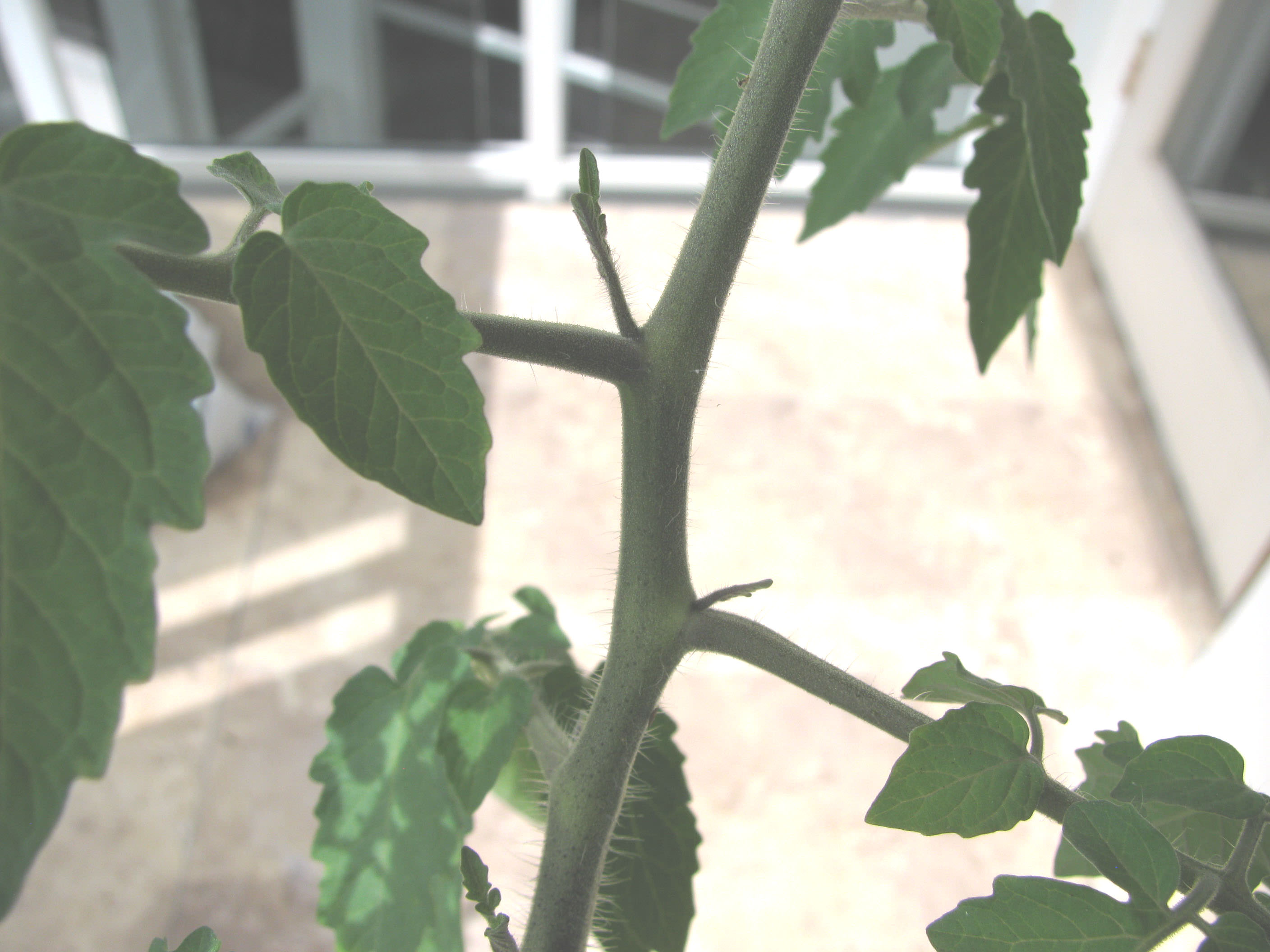
One more good practice is called pinching
click pic to enlarge
Click on the pic above. Notice the small sprouts that are starting to grow between the main stem and the sturdy side branches? There are two seen in the picture
Those sprouts will NEVER grow flowers nor fruit. They waste energy your tomato plant can put into growing fruit. Correct is to pinch them out with your fingers. This is very easy to do when sprouts are small. Do this pinching about once a week
Lastly, be sure to buy tomato plants or seeds suited for Florida. These include Big Beef, Early Girl, Sun Master and others. Read the label. We have some seeds for a native Florida tomato here
|